Vadodara, Gujarat, India 390012
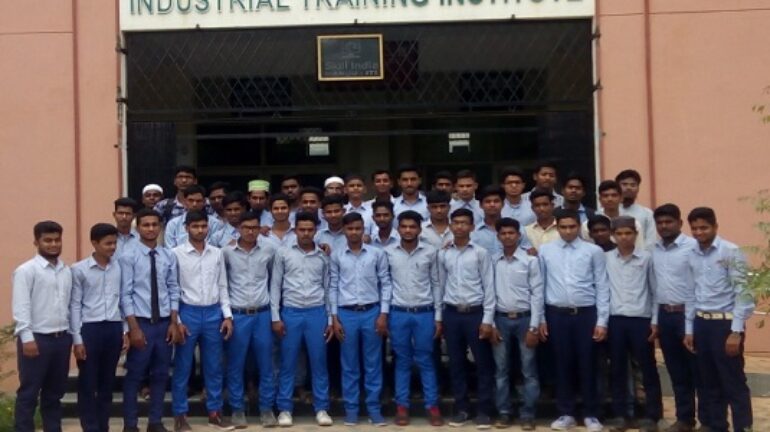
In the mid-2000s, India faced a daunting “skills gap.” While the economy was booming, industries struggled to find technicians who could handle modern machinery. The solution arrived in 2007-08 with a landmark initiative of having ITIs in PPP Partnership: the Upgradation of 1396 Government ITIs through Public-Private Partnership (PPP).
This scheme wasn’t just about renovation; it was a fundamental shift in how vocational training was delivered in India.
Launched officially in 2008, the idea was simple yet transformative: Give the industry a stake in the classroom. The government realized that if it wanted “industry-ready” graduates, it needed the industry to help design the curriculum, train the teachers, and provide hands-on experience. Under this model, the government provided an interest-free loan of up to ₹2.5 crore to each ITI, but the management was handed over to a specially formed Institute Management Committee (IMC).
The success of the PPP model relies on a balanced ecosystem of four primary stakeholders:
Since its launch in 2008, the scheme has undergone a significant evolution:
The PPP model created a “virtuous cycle” where every stakeholder finds value:
While the scheme has successfully upgraded hundreds of institutes, the journey is far from over. The next frontier for PPP in ITIs involves:
The PPP scheme proved that when the government’s reach meets the private sector’s speed, the real winner is the Indian youth.
For More Information: 91.95372 19666 / [email protected]


333bet4login Jan 01, 2026 at 09:42 am
Looking for a quick in? 333bet4login has that for you. Fast, easy fun is all yours. Give 333bet4login a try now!
[email protected] Jan 01, 2026 at 09:42 am
For informed buying decisions, visit – https://topbuyingidea.com/